Pricking Your Finger Every Morning? What Your Ketone Meter Actually Needs You to Know
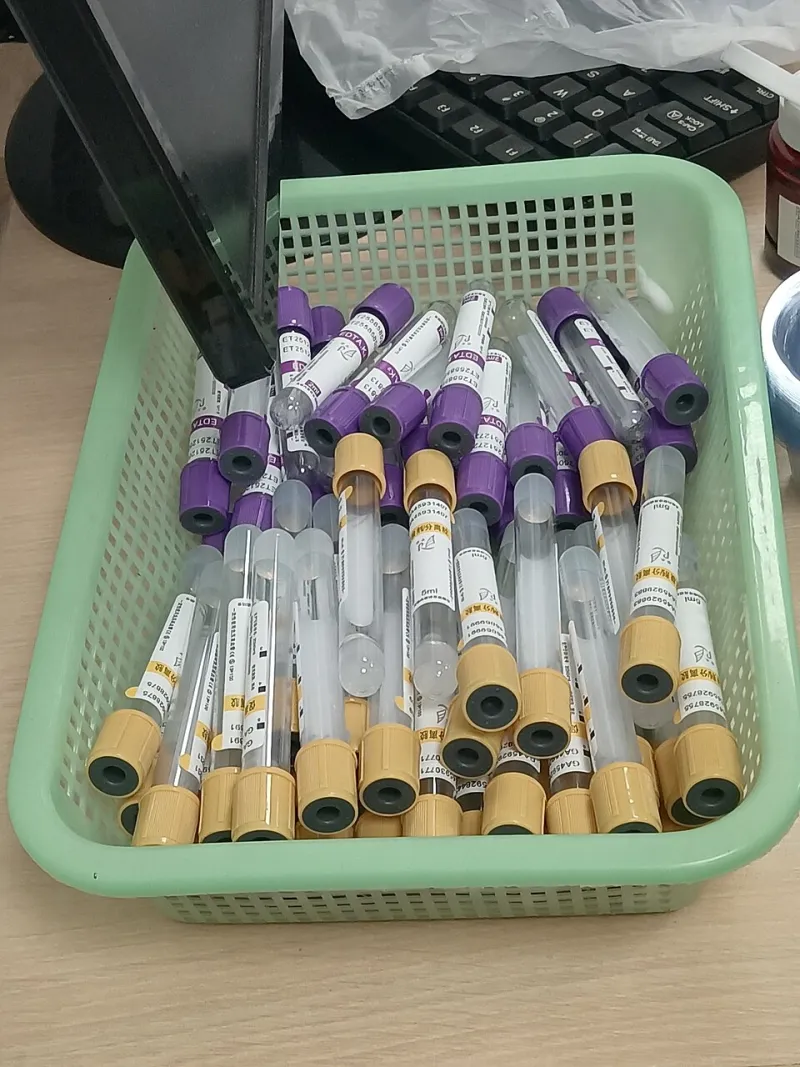
Photo: Fumikas Sagisavas, CC0, via Wikimedia Commons
There's a particular kind of quiet pride in a British kitchen at 7am: kettle on, bacon under the grill, and a small plastic meter on the worktop quietly reading 1.4 mmol/L. Blood ketone testing has moved from the diabetes clinic into mainstream low-carb life, and plenty of UK keto followers now check their levels daily — some several times a day.
But here's the question we keep hearing from readers: is all this testing actually useful, or is it just an expensive way to feel virtuous?
What the Numbers Actually Mean
First, the basics. Nutritional ketosis generally kicks in somewhere around 0.5 mmol/L of beta-hydroxybutyrate (BHB) in your blood, with the often-quoted "optimal" zone sitting between roughly 0.5 and 3.0 mmol/L. Below that, you're simply eating low-carb; above it, well, you're producing a lot of ketones but not necessarily losing weight any faster.
That second point matters. "Higher ketones don't mean more fat loss," explains Dr Priya Raman, a GP with a special interest in low-carb nutrition based in Manchester. "Ketones are a marker of what you're burning, not a scoreboard. People chasing a 3.0 reading are often chasing the wrong thing entirely."
Your readings also swing naturally. Morning ketones tend to be lower because of the dawn cortisol rise; exercise can temporarily drop your reading even as you burn fat; and a single higher-carb meal will show up for a day or so before things settle. If you've had a raucous Saturday at your mate's birthday buffet in Wetherspoons, Monday's number isn't a verdict on your character.
When Testing Genuinely Helps
We're not anti-testing — far from it. There are several situations where a meter earns its place on the counter:
- The early weeks. When you're first working out how your body responds to specific foods, a few weeks of data can be genuinely educational. Discovering that your "keto-friendly" tomato ketchup or that cheeky glass of pinot grigio knocks you out of ketosis is useful knowledge.
- Plateau investigations. If the scales have stalled for a month or more, testing can help rule out whether you've drifted into eating more carbs than you think.
- Medical supervision. Anyone using keto alongside medication for type 2 diabetes or blood pressure should be working with a healthcare team, and structured testing is often part of that.
- Motivation in the hard patch. Sometimes seeing a solid 1.2 on a grey Tuesday in February is exactly the nudge you need to keep going.
When It Fuels the Wrong Kind of Anxiety
The flip side is the readers we hear from who are testing three or four times a day, feeling genuinely distressed by a 0.8 when they'd hoped for 1.5. That's not self-monitoring — that's a slot machine with a lancet.
"I had one client testing after every meal, every walk, every cup of coffee," says Sheffield-based nutrition coach Gemma Hargreaves. "We cut her back to twice a week and her relationship with food improved almost overnight. The meter became a tool again instead of a judge."
There's also a physiological wrinkle worth knowing: some long-term keto followers show lower ketone readings over time because their muscles get better at using ketones efficiently. A dropping number months in can actually mean you've adapted — not that you've failed.
The £25 Question
Let's talk money, because strips aren't cheap. Blood ketone strips typically run £1 to £2 each in the UK, and meters are usually affordable only because the manufacturer knows you'll keep buying strips. Test daily and you're looking at £30-£60 a month — a genuine grocery-budget line item when food prices are already pinching.
A sensible spending guide:
- Months 1–2: Test a few times a week while you learn your triggers. This is when the data is most valuable.
- Months 3–6: Drop to weekly checks, or test only when something's changed — a holiday, a plateau, a new "sugar-free" product you're suspicious of.
- Beyond that: Most people don't need routine testing at all. How you feel — steady energy, reduced cravings, clothes fitting differently — is honestly a better long-run gauge.
If you love data but hate the cost, breath acetone meters offer a one-off purchase with no strips, though they're less precise. Urine strips, meanwhile, are only reliable in early ketosis and famously unreliable once you're fat-adapted — a point worth remembering before you bulk-buy them online.
A Sensible Testing Protocol
If you're going to test, test with purpose:
- Pick a consistent time. First thing in the morning or before dinner, not randomly throughout the day.
- Log alongside context. Note what you ate the day before, your sleep, and your movement. A number without context is just a number.
- Set a review date. Decide in advance when you'll stop — a fortnight after starting, say, or after resolving a specific question.
- Watch the trend, not the day. Three readings over a week tell you far more than one reading on a stressful morning.
The Bottom Line
A ketone meter is a bit like a sat nav: brilliant when you need directions, but you don't keep it running in the driveway once you know the way to work. For most British keto followers, a short, structured testing phase teaches you everything you need — then it's time to trust the habits you've built, save the £25, and put it towards something that actually goes in the frying pan.
Your ketones don't need auditing every morning. They're getting on fine without the paperwork.