The £3.99 Lunchtime Lie: What Your Meal Deal Is Really Doing to Your Ketones
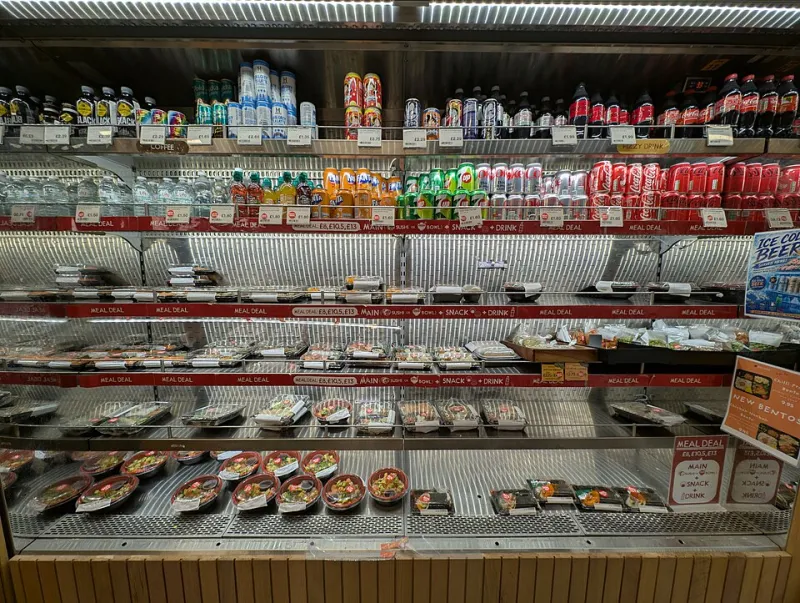
Photo: Andy Li, CC0, via Wikimedia Commons
There's a particular kind of British optimism involved in queueing at 12:25 for a meal deal. Three items, a few quid, job done. It's efficient, it's affordable, and if you're eating keto, it's quietly sabotaging your afternoon.
We crunched the numbers on the classics you'll find at Tesco, Boots, Sainsbury's, Morrisons and Boots' chemist rivals, and the picture isn't pretty. Time to look at what that £3.99 is actually buying you — and how to beat it at its own game.
The Carb Count Nobody Puts on the Shelf Edge
The centrepiece of most meal deals is, of course, the sandwich. A standard chicken salad on white bread carries roughly 40–45g of carbohydrates. That's before you've touched the sides. A packet of ready salted crisps adds another 25–30g, and the 'healthy' option — a bottle of orange juice — sneaks in around 25g more. Your bargain lunch? Somewhere north of 90g of carbs in one sitting.
For context, most keto followers aim for 20–50g across an entire day. The meal deal doesn't just bend your macros; it obliterates them before the 3pm slump even arrives.
Even the seemingly sensible picks are traps. A shop-bought 'protein' salad often comes with a sachet of dressing loaded with sugar, and those meal-deal-adjacent snack pairings — the little tubs of pasta salad, the cereal bars, the fruit yogurts — are carb bombs wearing health halos.
The Swaps That Actually Work
You don't have to abandon the high street entirely. Most supermarkets now stock options that won't wreck your ketosis:
- The sandwich → the salad pot. Chicken caesar without the croutons, or a chicken-and-bacon salad, keeps you around 5–8g of carbs. Skip the sweetcorn.
- The crisps → cheese snack packs or baby cucumbers. Several chains now sell cubes of cheddar or mini Babybel-style portions as part of the deal.
- The juice → water, or unsweetened iced coffee. Zero carbs, zero regret.
The catch? These combinations are still £3.50–£4.50 a day, five days a week. That's the best part of £1,000 a year on lukewarm chicken and lettuce.
The Building Blocks Formula: Better Lunch for Less
Here's where keto genuinely beats the meal deal. Our 'building blocks' approach uses four components you batch-prep on a Sunday:
- A protein base — boiled eggs, grilled chicken thighs, tinned mackerel, leftover roast. Roughly £1 per portion.
- A fat carrier — olive oil dressing, full-fat mayo, half an avocado, a handful of nuts.
- A low-carb veg — rocket, spinach, cherry tomatoes, sliced peppers, pickled cabbage.
- A desk-drawer backup — pork scratchings, dark chocolate (85%+), or a BHB supplement for the days you're caught short.
Assemble three of the four in a tub each morning and you've got a desk lunch for around £1.80–£2.50 a portion. It travels well, needs no microwave, and — crucially — keeps your blood sugar flat enough that you're not raiding the biscuit tin at 3pm.
Why the 3pm Slump Matters
There's a reason the meal deal fails keto followers beyond the raw carb count. That 90g hit of carbohydrate sends your glucose soaring, then crashing — and the crash is when the vending machine gets you. A low-carb lunch of protein and fat produces steadier energy, which is half the reason people stick with keto at all.
If you're using exogenous ketones as part of your routine, lunchtime is actually a sensible window for them — taken alongside a low-carb meal, they can help take the edge off cravings while your body stays in fat-burning mode. They're not magic, and they won't cancel out a meal deal sandwich. But as part of the building blocks routine, they earn their place.
The Bottom Line
The meal deal is a triumph of convenience marketing, not nutrition. You can still join the 12:30 scramble — just do it with a tub from home and a bit of Sunday prep. Your ketones, your wallet and your 4pm self will all thank you.